Cybersecurity Essentials are the cornerstone of protecting modern technology systems in today’s interconnected digital landscape. A practical approach blends these essentials with a robust security architecture to safeguard data, apps, and networks. A disciplined risk assessment helps prioritize protections where they matter most, guiding investments and controls across cloud, edge, and on-premises environments. Ongoing monitoring and analytics translate suspicious activity into timely alerts and informed responses. Finally, embracing zero trust principles reinforces identity, posture, and access controls to deter attackers wherever they move.
In plainer terms, safeguarding digital assets means building a resilient security program that layers people, processes, and technology. Think of it as a practical toolkit for protecting data integrity, ensuring service continuity, and earning stakeholder trust. This holistic approach combines governance and risk management with solid technical controls, rather than relying on a single tool. Key elements include identity verification, continuous monitoring, automated responses, and careful configuration management to limit exposure. By adopting a security-by-design mindset and embracing modern access controls, organizations can innovate confidently across cloud, edge, and hybrid environments.
1. Cybersecurity Essentials: A Practical Framework for Modern Technology Systems
Cybersecurity Essentials is more than a checklist; it’s a pragmatic framework for protecting today’s interconnected digital landscape. A solid foundation starts with a security architecture that spans people, processes, and technology, and includes a disciplined risk assessment to prioritize defenses. By aligning threat detection capabilities and zero-trust principles from the outset, organizations can reduce exposure across cloud, edge, and on-premises environments.
Implementing these essentials means embedding cybersecurity best practices into everyday workflows, not treating security as a separate function. The goal is to create controls that scale with growth, support secure innovation, and preserve user trust. This approach helps teams anticipate threats, respond quickly, and maintain operational resilience as architectures evolve.
2. Security Architecture as the Foundation: Layered Defenses and Identity Management
A sound security architecture provides the blueprint for defense-in-depth across data, apps, networks, and endpoints. It starts with asset visibility, data flows, and trust boundaries, translating that understanding into concrete controls such as layered defenses, encryption, and access management. A holistic view helps enforce policies consistently and scale protections as the organization grows.
Key components include IAM with least-privilege, network segmentation and micro-segmentation, and secure software development practices (DevSecOps). A strong architecture enables rapid incident response, easier policy enforcement, and resilient security that evolves with new technologies and partners.
3. Risk Assessment in Action: Prioritizing Protections for Maximum Impact
Risk assessment begins with asset inventory and threat modeling to map attack paths and business impact. A structured approach helps determine which controls will yield the greatest benefit and how quickly they should be remediated. This foundation supports informed decision-making and aligns protective measures with strategic objectives.
Vulnerability management, likelihood and impact analysis, and a living risk register guide resource allocation. Regular reviews ensure cybersecurity strategies stay aligned with changing tech stacks, compliance requirements, and evolving threat landscapes, enabling a proactive rather than reactive security posture.
4. Threat Detection and Incident Readiness: From Telemetry to Rapid Containment
Threat detection relies on centralized logging, monitoring, SIEM/SOAR, and anomaly detection to spot suspicious activity quickly. The goal is to shorten dwell time and increase confidence that intrusions are detected early, enabling faster containment and recovery.
Incident readiness includes runbooks, clear roles, communications plans, and regular drills. A mature program reduces downtime and supports compliant, transparent reporting while preserving forensic evidence for analysis and improvement.
5. Zero Trust in Practice: Continuous Verification Across Hybrid Environments
Zero trust treats every access attempt as potentially hostile and requires continuous verification, least-privilege access, and strong segmentation across cloud, on-prem, and edge devices. This approach minimizes implicit trust and constrains lateral movement even inside trusted networks.
Policy enforcement adapts to device posture, context, and risk signals, with ongoing monitoring and automated responses. Continuous verification and context-aware controls help security adapt to dynamic workloads and evolving threats without sacrificing agility.
6. Integrating Cybersecurity Best Practices into Daily Operations: Culture, Governance, and Continuous Improvement
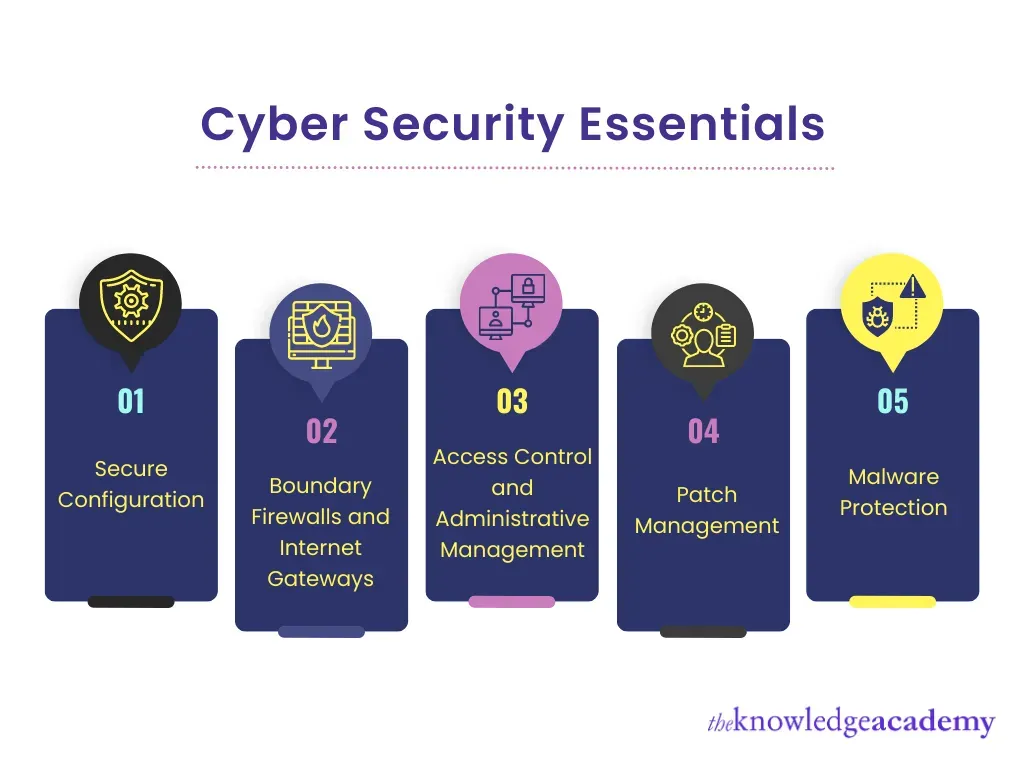
Beyond technical controls, practical cybersecurity best practices include patch management, backups and disaster recovery, hardening, data protection, and security awareness training. Embedding these routines reduces exposure to known vulnerabilities and builds a culture of security-minded decision-making.
Establish governance, align with frameworks like NIST, ISO 27001, and other regulatory requirements, and build a practical roadmap with tabletop exercises, red-teaming, and regular testing to validate controls and refine response plans. This ongoing discipline supports resilience, trust, and sustainable innovation across the organization.
Frequently Asked Questions
What are Cybersecurity Essentials and why are they critical for modern technology systems?
Cybersecurity Essentials provide a strategic baseline for protecting data and services across on-premises, cloud, and edge environments. They combine security architecture, risk assessment, threat detection, zero trust, and incident response to enable defense-in-depth, prioritize resources, and maintain operational resilience against evolving threats.
How does security architecture underpin Cybersecurity Essentials in hybrid and multi-cloud environments?
A strong security architecture provides the blueprint for layered defenses, IAM, network segmentation, encryption, and secure DevSecOps. It enables consistent policy enforcement, supports zero trust principles, and streamlines detection and response across diverse environments.
What is the role of risk assessment in Cybersecurity Essentials, and how should it be conducted?
Risk assessment helps identify which assets matter most and what threats they face. Practical steps include asset inventory, threat modeling, vulnerability management, likelihood and impact analysis, and risk prioritization with a living risk register; align with changing tech stacks and regulatory requirements.
What threat detection capabilities are essential for Cybersecurity Essentials, and how do SIEM and SOAR fit in?
Threat detection relies on centralized logging and monitoring, anomaly detection, threat intelligence, and incident readiness. SIEM and SOAR enable real-time detection, alerting, and automated responses, while playbooks guide rapid containment and recovery.
How does Zero Trust fit into Cybersecurity Essentials, and what practical steps implement it?
Zero Trust is a core element of Cybersecurity Essentials, requiring continuous verification, least-privilege access, micro-segmentation, and ongoing policy enforcement. Practical steps include continuous authentication for every access, device posture checks, and context-aware access decisions.
What common pitfalls should organizations avoid when implementing Cybersecurity Essentials?
Common pitfalls include underfunding security initiatives, creating silos between IT, security, and development, over-reliance on a single tool, weak credential hygiene, and poor backup/testing practices. Emphasize governance, cross-team collaboration, defense-in-depth, and regular exercises to strengthen the program.
| Topic | Core Idea | Key Points |
|---|---|---|
| Security Architecture | Blueprint for protecting data and systems | Layered defenses; IAM; Network segmentation and micro-segmentation; Encryption at rest/in transit; Secure software development and DevSecOps. |
| Risk Assessment | Systematic understanding of assets and threats to prioritize protections | Asset inventory; Threat modeling; Vulnerability management; Likelihood and impact analysis; Prioritization and planning. |
| Threat Detection | Telemetry-driven detection with rapid response | Centralized logging/monitoring; SIEM/SOAR; Anomaly detection; Threat intelligence and ATT&CK mappings; Incident readiness. |
| Zero Trust | Continuous verification and least-privilege access model | Continuous verification; Least-privilege access; Micro-segmentation; Continuous monitoring and policy enforcement. |
| Incident Response | Preparedness to minimize damage and recover quickly | Clear roles and responsibilities; Playbooks and runbooks; Communications; Containment/eradication/recovery; Post-incident analysis. |
| Cybersecurity Best Practices in Practice | Practical measures to establish a secure baseline | Patch management; Backup/DR; Configuration hardening; Data protection; Security awareness training; Supply chain risk management. |
| A Practical Roadmap for Implementing Cybersecurity Essentials | Steps to operationalize the program | Asset visibility; Map data flows; Formal risk assessment; Secure architecture; Threat detection; Zero-trust; Incident response; Governance/compliance; Security culture; Test and improve. |
| Common Pitfalls to Avoid | Frequent missteps and governance gaps | Underfunding security initiatives; Silos between IT/security/dev; Over-reliance on a single tool; Inadequate credential hygiene; Poor backup/testing. |
| Future Trends and the Evolving Landscape | Upcoming directions in cybersecurity | Automation and orchestration; AI-driven anomaly detection; Expanded zero-trust adoption; Supply chain resilience; Secure software supply; Privacy-preserving analytics. |
Summary
Cybersecurity Essentials provide a practical, scalable framework for protecting today’s complex digital ecosystems. By integrating a strong security architecture, risk assessment, proactive threat detection, Zero Trust, and a robust incident response posture, organizations can reduce risk, safeguard critical data, and maintain business continuity. This descriptive overview highlights how these elements come together across people, processes, and technology to enable secure innovation and resilient operations. Embracing Cybersecurity Essentials helps organizations navigate evolving threats while enabling safe, reliable technology-driven growth.